




Table of Contents
ToggleMost Preferred Packaging Types
Packaging isn’t just something that wraps a product—it’s often the very first thing a customer notices. From the supermarket shelf to an online unboxing, the way a product is packaged can completely shape how people see it. Beyond protecting what’s inside, packaging tells a story, builds trust, and sets the tone for a brand. At Packplus, we’ve seen how the right packaging types make all the difference. Whether it’s keeping snacks crisp, detergents safe, or industrial goods intact during transport, packaging is a silent partner in a product’s success. To achieve consistent quality and efficiency in every pack, our advanced packaging machines are designed to meet the needs of diverse industries.
Why Are Packaging Types So Important?
Think of packaging as a handshake—it’s the first interaction between product and consumer. A strong, reliable package keeps goods safe, fresh, and easy to transport. But it also sends a clear message: “this product is worth your attention.” Good packaging combines practicality with emotion. A premium perfume in a sleek box feels luxurious before it’s even opened. A snack in a resealable pouch feels convenient and modern. Safety is just as important—especially in food, chemical, or pharmaceutical industries where tamper-proof designs and hygiene are non-negotiable. In short, the right packaging type doesn’t just protect—it persuades.
Most Common Packaging Types in the Food Industry
Nowhere is packaging more diverse than in food. Every category has its own needs. Chips and snacks stay crunchy thanks to laminated pouches that block out air and moisture. Fresh meat and cheese use vacuum sealing to lock in freshness. Ready-to-eat meals often rely on Modified Atmosphere Packaging (MAP), extending shelf life without compromising quality.
Beverages bring their own mix—PET bottles, glass, and cartons all competing depending on brand image and practicality. In Western markets like the US and UK, resealable doypacks are booming because they match the “grab-and-go” lifestyle. Frozen foods, on the other hand, lean on strong, cold-resistant films to survive transport. At the end of the day, the food industry shows us just how important flexibility in packaging really is.
Suitable Packaging Types for Detergent and Chemical Products
Detergents and chemicals are all about safety first. Nobody wants spills or leaks in their shopping bag. For powdered detergents, gusseted bags or cartons are the go-to. Liquids often sit in rigid plastic bottles or refill pouches.
In recent years, detergent capsules have introduced new challenges. They need multi-layer film packaging that can withstand moisture and, more importantly, protect children from accidental contact.
Industrial chemicals are a whole different story—requiring heavy-duty HDPE containers, drums, or even metal barrels. Yet even here, lightweight flexible pouches are slowly gaining ground because they cut down on shipping costs and plastic use.
Most Used Packaging Types in Industrial Applications
When it comes to industrial products, packaging is all about endurance. Corrugated boxes dominate for their strength and affordability. Pallet wraps and shrink films keep bulk shipments stable, while protective foam and bubble wrap guard fragile components.
Automotive parts, electronics, and machinery often need custom inserts or vacuum-sealed protection for international shipping. In this sector, modular solutions are especially valuable, letting companies package different sizes and shapes without slowing production. Lately, smart labels—QR codes and RFID tags built into packaging—have become a game-changer, making global tracking faster and more reliable.
Recyclable and Sustainable Packaging Types
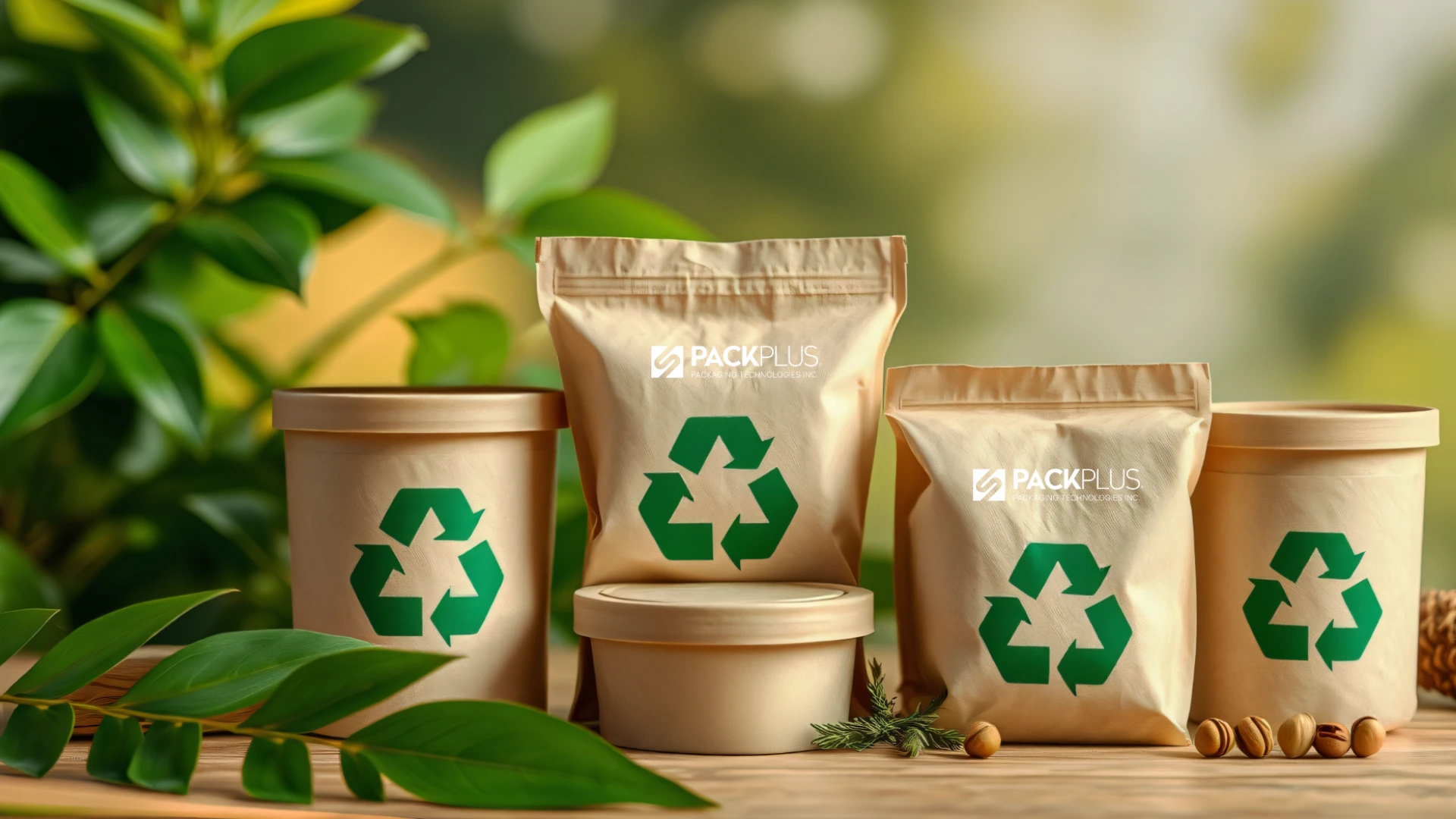
Consumers today want more than convenience—they want conscience. That’s why eco-friendly and recyclable packaging is no longer a trend; it’s a requirement. Paper-based bags, biodegradable films, and compostable plastics are quickly becoming standard, especially across Europe.
Reusable packaging systems are also gaining traction: refillable bottles for cleaners, bulk dispensers for grains, and eco-pouches for beverages. In the US and UK, shoppers are actively choosing brands that make sustainability part of their story. For businesses, sustainable packaging isn’t just about regulations—it’s about winning customer loyalty.
Differences Between Doypack, Carton and Flexible Packaging
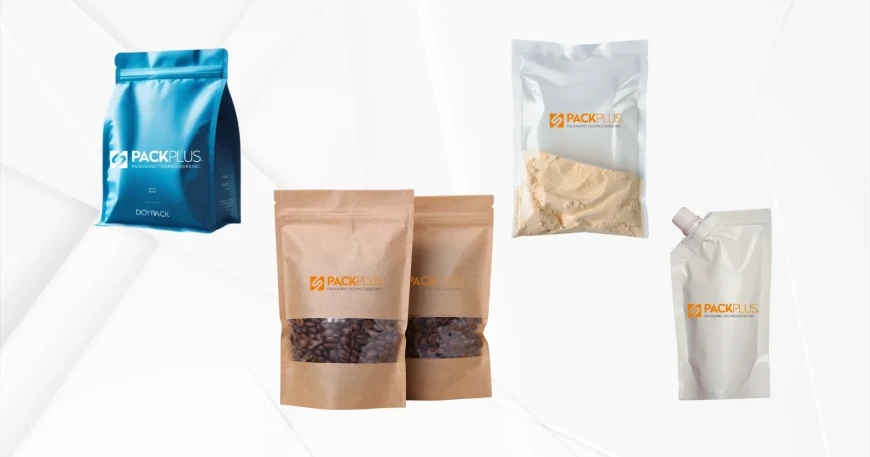
Among the most popular formats, doypack, carton, and flexible packaging each bring something unique to the table. Doypacks—stand-up pouches with resealable tops—are perfect for snacks, coffee, or detergents. They’re lightweight, practical, and customer-friendly. Cartons, on the other hand, carry a premium feel, making them a favorite for beverages, cereals, and luxury goods. Flexible packaging is the versatile workhorse—films, wraps, and pouches that adapt to almost anything while keeping costs low. The main challenge here is recyclability, which is why innovation in eco-materials is moving fast.
Packaging Types That Strengthen Brand Perception
Packaging Types in High Demand in Global Markets
Around the world, consumer habits and regulations shape packaging trends. In the US, convenience is king—single-serve packs, resealable bags, and e-commerce-ready boxes dominate. In Europe, sustainability rules, pushing brands toward recyclable cartons and biodegradable options. In Asia, affordability and space-saving solutions top the list.
Globally, flexible pouches and eco-friendly cartons are the fastest-growing categories. Personalization is also exploding—brands now print limited-edition designs or market-specific graphics to connect more deeply with consumers. And as online shopping continues to rise, “frustration-free packaging” designed for safe delivery with minimal waste is quickly becoming the new standard.
Packaging has evolved far beyond its protective role—it’s now a critical part of branding, logistics, and global competitiveness. Choosing the right packaging type means balancing function, sustainability, and consumer appeal.
From doypacks to cartons, from recyclable plastics to refill systems, the most preferred packaging types are those that keep products safe, reflect brand values, and meet modern consumer expectations.
At Packplus, we’re dedicated to creating advanced packaging machinery that helps brands stay ahead of these trends and deliver solutions that work both in local markets and across the globe.