




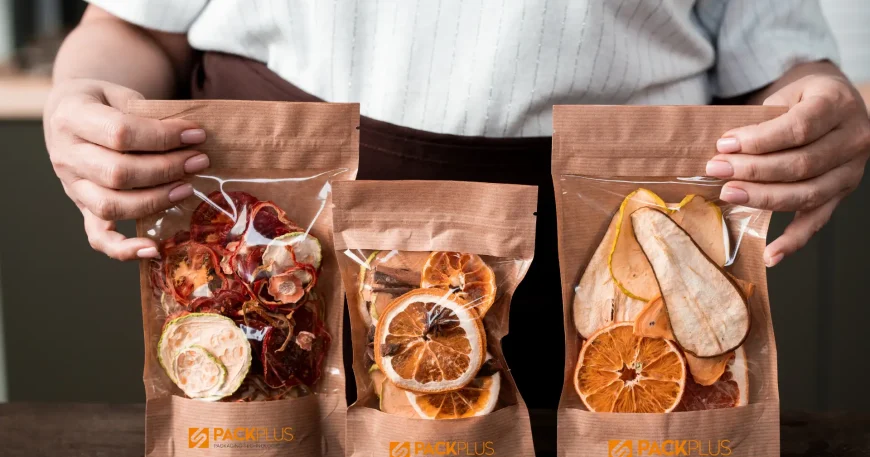
Dried Fruit Packing Machine for Production Efficiency
When most people think about dried fruit, they imagine a convenient, nutritious snack that can be enjoyed at any time of the day. But behind the scenes, the world of dried fruit processing involves complex steps—drying, sorting, quality control, and packaging. Dried Fruit Packing Machine technology plays a critical role in ensuring these products reach consumers in top quality. Today, we will explore the importance of these machines, discuss different fruit drying methods, and explain how to find the perfect packaging solution to boost your production efficiency.
Full Automatic Pre-Made Package Horizontal Packaging Machine
Definition of the Dried Fruit Packaging Machine
Dried fruits are food products that retain most of their nutritional value and can be stored for extended periods. With the growing popularity of healthy snacking, the demand for such products has been soaring. The best way to meet this demand in the most efficient manner is by using a Dried Fruit Packaging Machine. This machine delivers all the benefits of automation to the packaging stage of dried fruits.
What exactly does the machine do? In the simplest terms, it packs dried fruits into set weights while preserving product quality and hygiene. Moreover, ensuring that the materials are packaged under healthy conditions greatly boosts customer satisfaction. With adjustable parameters, you can pack different weights and opt for various types and sizes of packaging. The real advantage of this technology lies in consistency. Automated sensors and dosing systems minimize human error, making sure each package has a standard weight. This feature is particularly beneficial for businesses producing large volumes, as it reduces waste and lowers operational costs. In addition, the automation dramatically cuts labor expenses, ultimately boosting profitability over time. In short, properly packaging your dried fruits can have a significant impact on your brand’s appeal, both in local and global markets.
Fruit Drying Methods: Sun Dry and Freeze Dry
Before packaging, one of the most crucial phases for dried fruits is selecting the right drying method. Two popular techniques often come up in this context. The first is the Sun Dry method, which involves drying fruit directly in sunlight under natural conditions. While its main benefit is that it requires minimal equipment, depending on the climate makes the process unpredictable. Additionally, product quality can be inconsistent, which is a notable downside.
The second method, Freeze Dry, represents a more modern approach in food technology. Frozen fruits undergo low-pressure processes that cause the water content to sublimate. This method preserves most of the fruit’s nutritional value while producing lighter products with extended shelf life. However, higher costs mean not every business can adopt this method easily, making it more appealing for premium product segments.
Regardless of which method is used—sun drying or freeze drying—the resulting products will have different textures and moisture levels, impacting how they are packaged. This is where the Dried Fruit Packaging Machine steps in. It can be calibrated to optimally handle the varying consistencies of sun-dried and freeze-dried fruits. While sun-dried fruits may crumble more easily, freeze-dried ones are extremely delicate. The machine’s functionalities, such as gentle or vibrational filling and vacuum packaging, help ensure a smooth packaging process across different product types.
How to Choose the Right Dried Fruit Packaging Machine for Your Business?
As the market continues to expand, there’s a wide array of Dried Fruit Packaging Machines to choose from. Selecting the most suitable machine for your operation requires considering several key factors. First and foremost, assess your production capacity. Deciding how many packages you want to produce per minute will guide you in determining the machine’s speed and performance. If you run a small-scale operation, a high-capacity machine might lead to unnecessary costs. Conversely, larger facilities should opt for models that can pack at high speeds per minute.
Next, consider the variety of packaging you need. If your business aims to offer multiple packet sizes, ensure the machine is flexible enough to allow rapid format changes. Modern machines with digital interfaces are easier to operate and significantly reduce the margin of error. Automated calibration features and error-detection sensors can also help streamline operations.
Another essential factor is the availability of spare parts and technical support. Machine downtime due to breakdowns can be extremely costly and time-consuming. Working with a reliable brand or supplier often proves to be the most sustainable choice. When you combine all these factors—production goals, packaging variety, and reliable technical support—you’ll find the ideal solution that aligns with your business’s growth ambitions.
Important Factors to Consider in the Drying and Production Process
Since dried fruits are produced by reducing the moisture content of fresh fruits, each step in the production process is crucial. Between the drying stage and packaging, there are some fundamental considerations to keep in mind. The first is hygiene standards. From the equipment used in the facility to the attire of the staff, every aspect directly affects the quality of the final product.
Second, pay close attention to environmental conditions. Temperature, humidity, and airflow have a direct impact on the shelf life and flavor of dried fruits. Therefore, it’s critical to regulate the drying area or ovens according to the type of fruit being processed. Excessive moisture could lead to mold growth, jeopardizing both product quality and food safety.
Packaging is the final stage in the production line and relies heavily on the Dried Fruit Packaging Machine. Sensors integrated into the machine monitor the product’s weight during packaging, ensuring accurate fill levels for each packet. Moreover, technologies like vacuum sealing or gas flushing reduce the fruit’s exposure to oxygen, extending its shelf life. With the right machine settings, you can also minimize issues like crumbling or product fragmentation. In essence, drying and production form a unified chain; when each link is managed well, achieving excellent results becomes entirely feasible.
The Role of the Dried Fruit Packaging Machine in Food Safety and Quality Control
In the food industry, earning consumer trust largely depends on complying with rigorous hygiene standards. The Dried Fruit Packaging Machine plays a pivotal role in this regard. By design, surfaces that come into contact with the fruit are made from materials that meet food safety regulations, such as stainless steel. These surfaces help prevent bacterial growth and simplify cleaning and maintenance routines.
Additionally, various sensors and automated systems can be integrated for quality control. For instance, metal detectors or precision scales can be deployed to prevent unwanted substances from entering packages. Automated filling and airtight sealing also minimize contact with outside air, keeping the products fresh for a longer time. All these features help businesses meet and often exceed local and international food safety standards.
Reducing human error to the lowest possible level also helps maintain consistent quality, even at higher production volumes. Every packet that reaches the consumer will have the same taste, texture, and nutritional value. Leading companies in the sector often choose machines that not only focus on hygiene but also include digital data-gathering capabilities. Real-time data from the packaging line can then be used to create quality control reports or quickly spot any deviations.
The Advantages of Investing in a Dried Fruit Packaging Machine: Cost and Time
For businesses seeking to optimize production processes, investing in a Dried Fruit Packaging Machine may appear significant at first glance. However, the long-term cost and time savings usually compensate for the initial expenditure. The first major advantage is reduced labor costs. Manual packaging is slow and prone to error, whereas an automated machine can handle higher volumes with fewer workers.
A second advantage is continuous production. Manual operations often face delays due to breaks or shift changes. Automation allows production lines to run 24/7 if needed, crucial for meeting seasonal demand spikes or large-scale export orders.
The third advantage is material consistency. Variations in packaging materials or non-standard fill levels can negatively impact profit margins. With machine calibration, every packet meets the specified weight and dimensions. This uniformity simplifies supply management and strengthens customer satisfaction. Over the medium and long term, these factors can significantly boost your bottom line.
Global Market Competitiveness: Packaging in Compliance with International Standards
In today’s global marketplace, succeeding in the local market alone is no longer sufficient; new opportunities and challenges arise from international competition. Especially in the food sector, companies looking to export must adhere to stringent quality and hygiene certifications. Investing in a Dried Fruit Packaging Machine is one of the most effective ways to meet these requirements.
For instance, to export to European Union countries, you may need CE certification and compliance with specific food safety guidelines. In the United States, FDA (Food and Drug Administration) approvals come into play. Machines that can meet these certifications will simplify your path to international markets. Automated features allow for labeling, barcoding, and the inclusion of “best before” dates without error.
In a world where global reach is a defining factor for brand growth, being able to prove the quality of your product is vital. Food safety, supply chain management, and logistics all tie into a professional packaging process. With a recognized quality standard, your products can reach store shelves across various countries, enhancing your brand’s global presence. Investing in packaging technology not only helps you stand out but also opens doors to sustainable international trade.
Automation and Digitization in the Dried Fruit Packaging Process
Success isn’t just about investing in cutting-edge technology—it also involves company culture, staff training, and process optimization. The first step to success with a Dried Fruit Packaging Machine is to properly integrate it into the production line. Ensure that all upstream and downstream processes—from drying and quality control to logistics—are well-coordinated to maximize efficiency.
The second step is training the personnel who will use the machine. Even the most automated systems benefit from human oversight—making the right settings, performing regular maintenance, and monitoring performance for signs of improvement. Well-trained staff can quickly detect and resolve minor malfunctions, ensuring optimal machine performance.
Lastly, any data collected must be analyzed and used to improve business processes. Continuous tracking of metrics—like packaging speed, error rates, and material consumption—can guide better decisions in supply chain management, sales projections, and inventory optimization. By keeping an eye on industry trends and consumer expectations, you can also expand your reach to new market segments and boost global brand visibility. In all these efforts, the Dried Fruit Packaging Machine stands as a key ally, increasing both your production capacity and quality assurance.